
The landscape of sports broadcasting is undergoing a seismic shift, driven by the rapid global rollout of 5G networks. For decades, live sports delivery relied heavily on complex satellite uplinks and massive hardware installations at stadiums. Today, the transition to IP-based, 5G-enabled broadcasting is changing the game for both producers and fans.
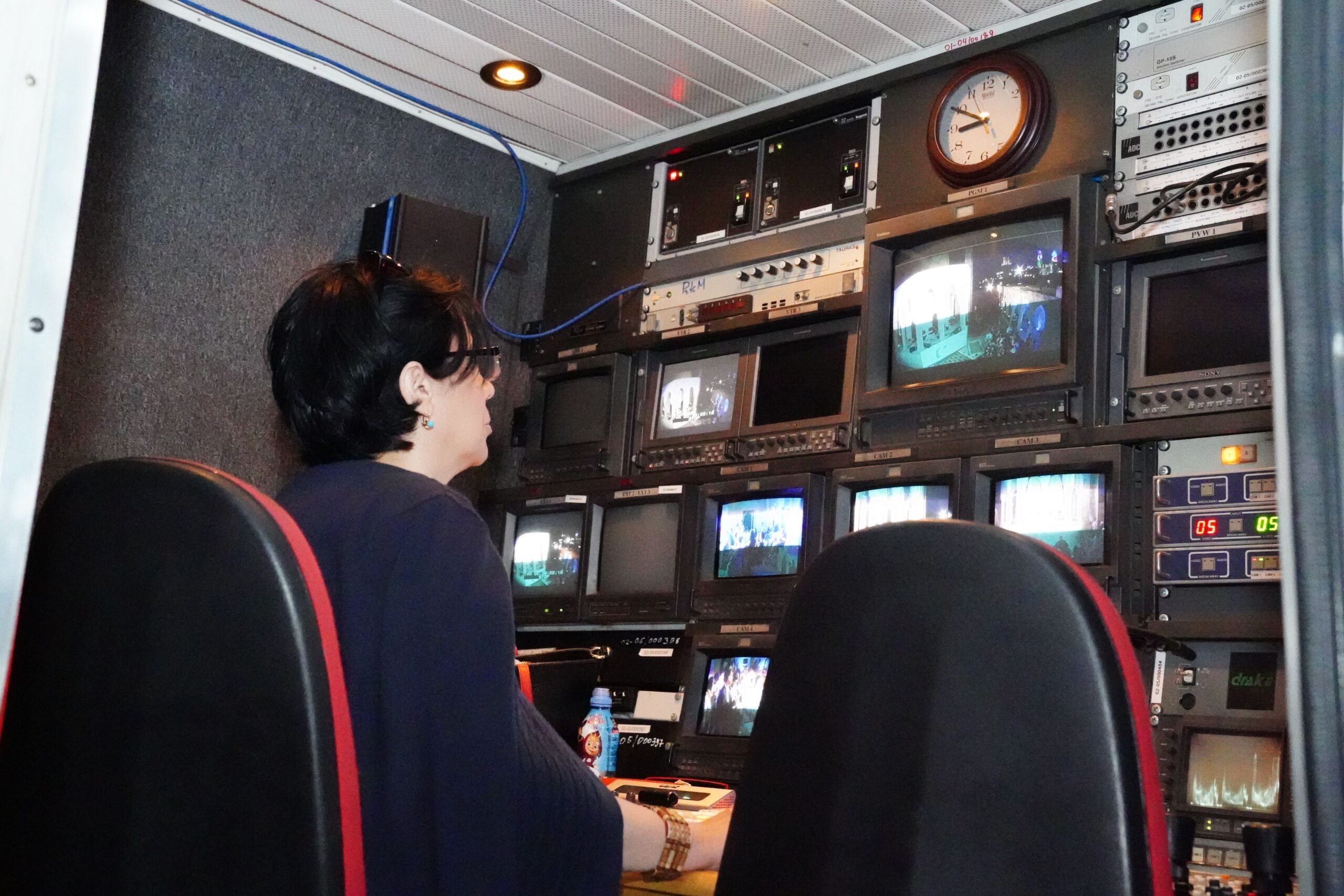
With 5G’s ultra-low latency and massive bandwidth capabilities, broadcasters can now deploy wireless cameras in previously impossible locations. From a referee’s point of view to drones hovering above the pitch, the visual storytelling of a match is becoming vastly more immersive. Furthermore, this technology drastically reduces the physical footprint required on-site. Traditional Outside Broadcast (OB) trucks are being supplemented—and in some cases replaced—by remote production hubs where directors can seamlessly switch a live game from hundreds of miles away.
For the viewer at home, this means a richer, more customizable experience. Fans are increasingly able to choose their preferred camera angles, access real-time augmented reality (AR) player stats, and interact with the broadcast in real-time, proving that the future of sports media is undeniably mobile and wireless.